
What is an ASIN?
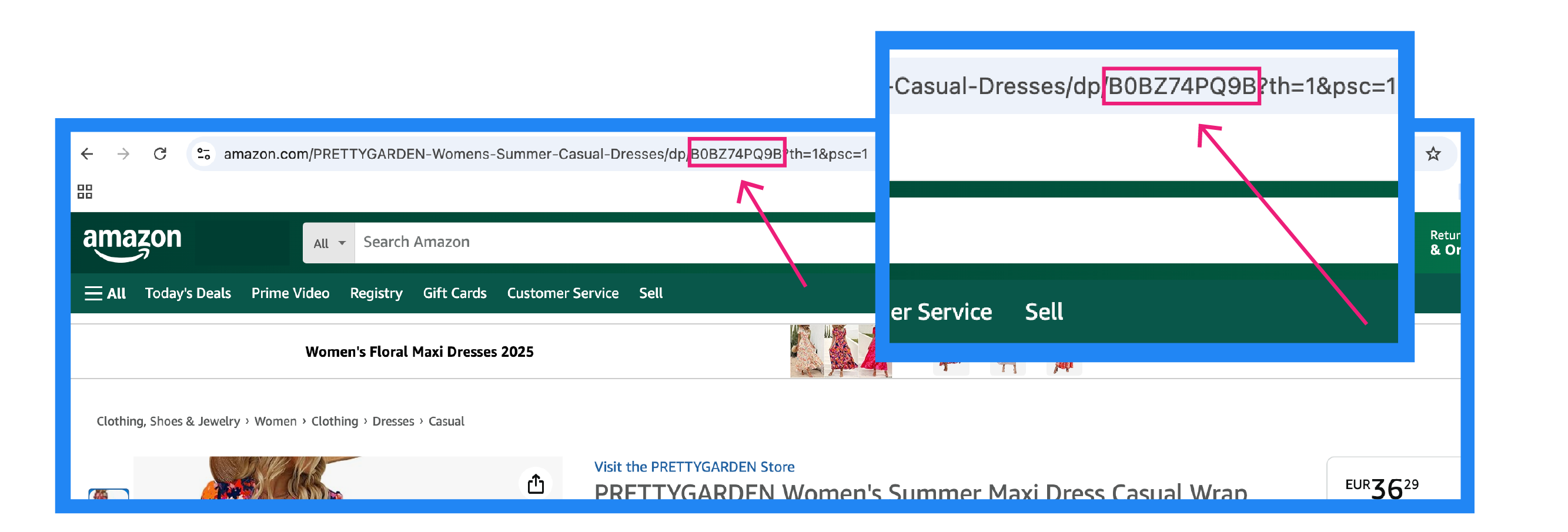
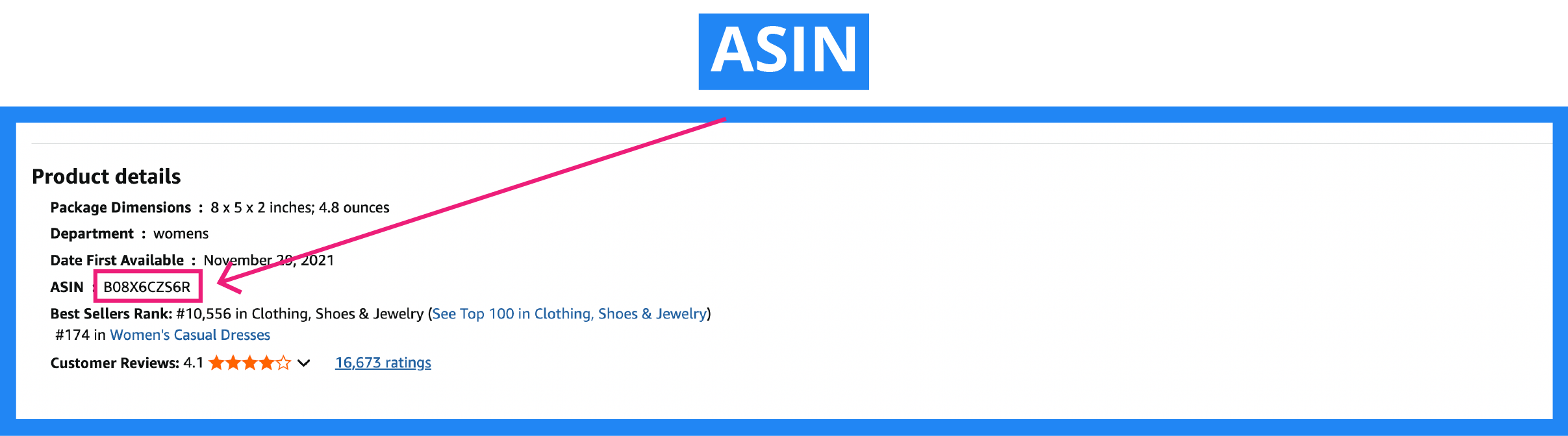
ASIN stands for Amazon Standard Identification Number. It’s a unique 10-character alphanumeric code used to identify products within the Amazon marketplace.
ASINs are assigned by Amazon and are used only on Amazon platforms. When a seller lists a new product, Amazon either matches it to an existing ASIN or generates a new one if no match is found. Brands and private-label sellers may also create ASINs for unique items.
ASINs appear in two main places: within the product URL and on the product detail page.
For Fulfillment by Amazon (FBA) sellers and third-party merchants, ASINs are critical. They are required for listing, inventory tracking and performance monitoring inside Amazon’s ecosystem. Correct use of ASINs ensures listings are accurate, searchable and not duplicated.
What is a UPC?
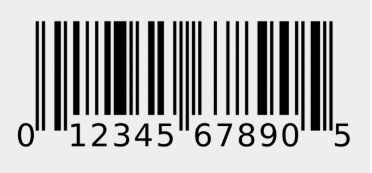
UPC stands for Universal Product Code, a standardized 12-digit numeric identifier used globally to track and sell products. It’s a type of GTIN-12 (Global Trade Item Number) and appears as a scannable barcode on product packaging.
UPCs are issued by GS1, the global organization responsible for maintaining barcode standards. Each UPC is unique to a specific product and variant, such as size or color.
UPC codes are used across retail, manufacturing and e-commerce channels. They support a wide range of processes including; inventory tracking, warehouse management, point-of-sale transactions and compliance with marketplace requirements.
Because UPCs are recognized internationally, they serve as a foundation for cross-platform selling and supply chain visibility. They are essential for accurate product identification, especially when expanding to new regions or working with multiple retailers.
ASIN vs. UPC: a side-by-side comparison
While ASINs and UPCs are both used to identify products, they differ in format, scope and function.
The table below outlines the key distinctions:
Attribute - ASIN - UPC
Format
10-character alphanumeric12-digit numeric code
Scope
Amazon marketplace onlyGlobal, across retail and e-commerce
Assigning authority
AmazonGS1 (Global Standards Organization)
Usage
Product identification within AmazonBarcoding, inventory, tracking
Marketplace use
Required on Amazon listingsRequired across multiple platforms
How ASINs and UPCs work together
ASINs and UPCs may be distinct identifiers but Amazon links them behind the scenes. Most ASINs are mapped to UPCs to confirm authenticity, prevent duplicates and ensure accurate search and categorization.
When a new product is listed, Amazon typically requires a valid UPC to create a new ASIN. This ensures the listing aligns with existing catalog data and avoids redundancy.
Amazon handles ASIN-to-UPC mapping internally, but sellers need that data externally for multichannel listings, bulk uploads and clean reporting.
Centric PXM™ (the AI-powered product experience management (PXM) solution supported by Centric Software®) provides this visibility natively, ensuring that ASIN and UPC mappings are accurate, accessible and ready for syndication at scale.
How conversion mapping works
Conversion tools cross-reference product databases using ASIN or UPC input. The tool matches the code to a known product record and returns the corresponding identifier.
Understanding the differences between ASIN and UPC
Being able to differentiate between ASINs and UPCs is essential for accurate and scalable e-commerce operations.
Inventory tracking: Consistent identifiers allow systems to sync across warehouses, tools and platforms.
Listing accuracy: Valid UPCs prevent duplicate ASIN creation and reduce Amazon listing errors.
Cross-platform selling: UPCs are required on marketplaces like Walmart, Target and Shopify.
Compliance: UPCs are often required for brand protection and regulatory programs, including Amazon Brand Registry.
When to use one vs. the other
Each identifier serves a specific role depending on the use case:
Use Case - ASIN - UPC
Amazon listings
Required for internal trackingRequired to create new ASINs (unless exempt)
Internal catalog management
Used for Amazon-specific fieldsUsed for global product identity
Multichannel selling
Not used outside AmazonRequired for platforms like Walmart, Target and Shopify
Analytics and tools
Mapped to UPC for Amazon insightsUsed as the anchor identifier for pricing, reporting and integrations
Common challenges and mistakes
Mismanaging product identifiers can lead to costly errors and operational delays. Some of the most common issues include:
Buying fake or non-GS1 UPCs: Third-party UPC sellers often issue codes that are not registered with GS1, resulting in listing rejections and compliance problems.
Duplicate ASIN creation: Inaccurate or incomplete UPC data may lead to unintentional duplication of ASINs, cluttering the Amazon catalog and triggering policy violations.
Confusing EAN, ISBN and GTIN with UPC: Although these identifiers are part of the GTIN family, they serve different formats and use cases. Incorrect use creates validation issues across platforms.
Lack of standardization: Failing to use consistent identifiers across internal systems, marketplaces and feeds can result in mismatches, data silos and errors in reporting.
Tools to convert ASIN to UPC
Several tools are available to convert ASINs to UPCs and back. These support catalog synchronization, multi-channel listing and reporting workflows.
Online converters: Free, manual lookup tools for small catalogs.
Bulk processors: Upload thousands of codes for batch conversion.
APIs: Integrated into e-commerce or PIM systems for automated workflows.
Spreadsheet add-ons: Use formulas to fetch mappings inside spreadsheets.
Advanced sellers rely on these tools to automate mapping, validate data and support multichannel readiness. Centric PXM integrates this logic natively, ensuring every ASIN and UPC is linked and ready for syndication.
Centric PXM supports:
Centralized ASIN and UPC management in a single product record
Built-in data validation and GS1 compliance checks
Mapping for Amazon and non-Amazon identifiers
Automated feed syndication across 1,000+ channels
Faster launches with fewer manual errors
Get product IDs right from the start
ASINs and UPCs serve different purposes but are both essential for accurate e-commerce operations.
Using the correct identifier at the right stage of the product lifecycle prevents listing errors, reduces manual cleanup and ensures compliance across platforms.
For brands scaling across marketplaces, maintaining a clear mapping between ASINs and UPCs is a priority.