

 Centric PLM
 Centric Planning
 Centric Pricing & Inventory
 Centric Market Intelligence
 Centric Visual Boards
 Centric PXM
 Experience Academy


 Fashion & Apparel
 Retail
 Footwear
 Outdoor & Sports
 Consumer Goods
 Manufacturers
 Home Décor & Furniture
 Food and Beverage
 Grocery Retail
 Cosmetics & Personal Care
 Consumer Electronics









The Grocery vs. Restaurant Battle for Mealtime — And How to Win


The quiet food fight
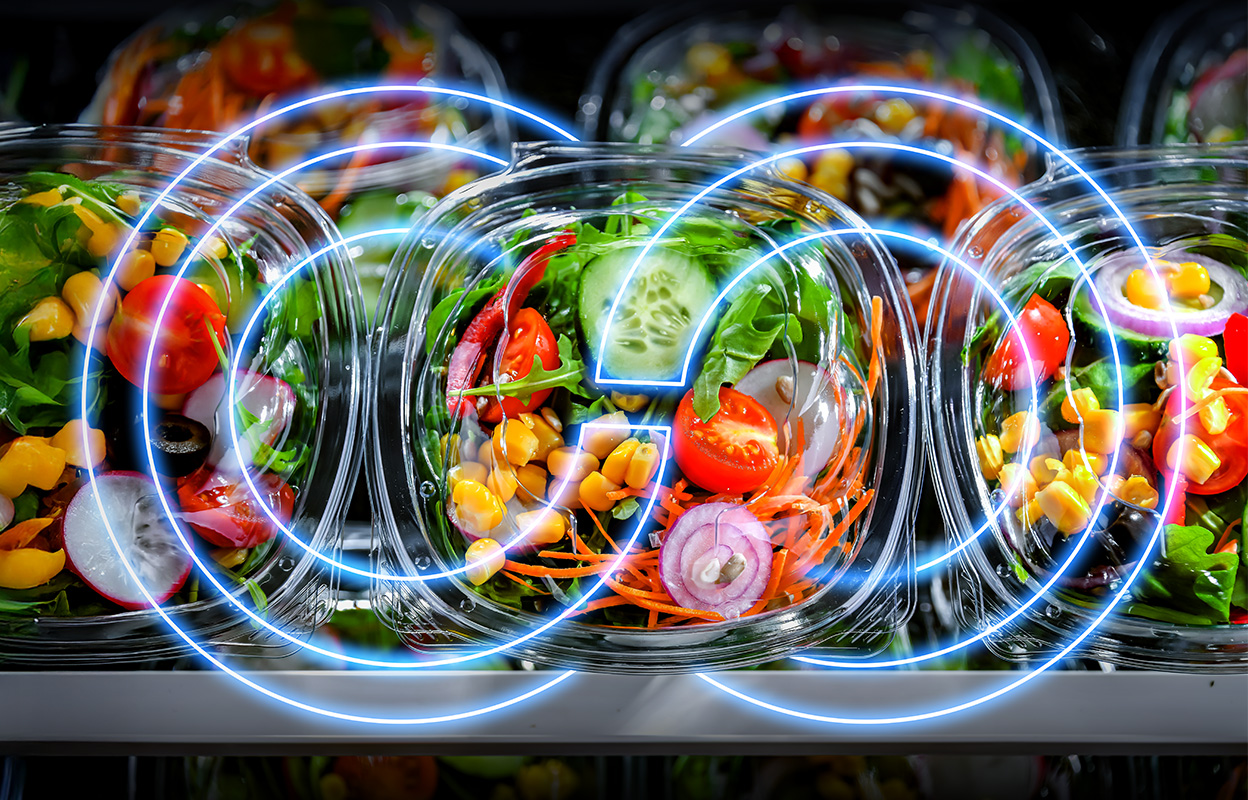
Consumers are eating out more than ever, but they’re also looking for convenience at home. Rising food costs, busier lifestyles and evolving taste trends have shifted expectations. Grocery stores are no longer just the place to stock your pantry; they’re now competing directly with restaurants and food delivery apps for every meal decision.
The big question for grocers: Can you match the speed, flavor and convenience of restaurants while keeping margins intact?
The stakes for grocers are high. The numbers make it clear: a significant portion of consumer food dollars is spent outside the home. In 2024, Americans spent roughly 58% of their food budget on Food Away from Home (FAFH), up from pre-pandemic levels. Meanwhile, grocery stores face thinner margins, increasing pressure to retain customers through prepared meals, private label products and convenience solutions.
Prepared foods aren’t just a “nice-to-have,” they’re a necessity for most households. Grocers that fail to innovate risk losing loyal shoppers to quick-service restaurants and delivery apps that cater to convenience, flavor and lifestyle trends.
The consumer has changed. Have you?
Today’s shoppers are looking for:
- Convenience: Ready-to-eat meals, meal kits and heat-and-eat options
- Global flavors: Street-food inspired dishes and international cuisine at home
- Clean, transparent ingredients: Nutrition, allergens and label clarity matter
To meet these expectations, grocers need agility and innovation. Traditional product development cycles (often slow, siloed and manual) can’t keep up. Consumers expect variety and quality, and they won’t wait for a grocer to catch up.
Product Lifecycle Management (PLM): The hidden weapon for grocers
Enter PLM, a system that centralizes all product information, streamlines approvals and provides data-driven insights from ideation to shelf. For grocery retailers, it’s more than software, it’s a competitive advantage. PLM does more than just manage recipes or labels, it enables grocers to operate with the speed, precision and creativity of a restaurant chain, without the trial-and-error risks that slow innovation.
Here’s a deeper look at how PLM transforms grocery operations:
The speed at which trends emerge (i.e. plant-based proteins, globally inspired meals or viral snack flavors) means grocers must move faster than ever. PLM centralizes all product development data in one place, so teams can:
- Quickly identify trending flavors or formats
- Prototype products faster with accurate costing and nutritional data
- Streamline approval processes to get products to consumers faster
Example: If poke bowls are trending at local fast-casual spots, a grocer with PLM can rapidly develop a private-label poke bowl line for grab-and-go sections, complete with accurate nutritional labeling and allergen tracking, without months of back-and-forth between R&D, marketing and compliance teams.
Consumers expect transparency from the foods they eat at home. PLM ensures recipes are consistent, compliant and fully traceable across multiple products and stores. Features include:
- Nutritional analysis and labeling compliance
- Allergen management and ingredient tracking
- Version control to ensure every store has the correct recipe
Example: A retailer rolling out a new line of frozen globally-inspired entrees can use PLM to confirm that nutrition facts are correct, allergens are disclosed and labels meet regulatory standards – all from a single source of truth. This reduces errors, speeds time to market and builds trust with consumers.
Time is the ultimate currency for today’s consumers. PLM allows grocers to manage complex portfolios of prepared foods efficiently, controlling:
- Recipes and portion sizes
- Cost structures and supplier data
- Packaging, shelf life and cross-store consistency
Example: Launching a new rotisserie chicken flavor across hundreds of stores requires standardized recipes, cost control and coordinated production plans. PLM ensures that every store delivers the same quality and flavor, so customers enjoy a consistent experience no matter which location they visit.
Private label products are a powerful differentiator. PLM provides retailers with insights and tools to innovate based on customer preferences, track underperforming products and iterate quickly.
Example: A PLM system can flag that store-made sushi rolls or pasta kits aren’t performing as expected. Retailers can then analyze consumer feedback, tweak flavors or packaging and relaunch with minimal disruption. Over time, this iterative approach helps grocers offer restaurant-like experiences at home.
PLM tracks every product from concept to discontinuation, giving grocers rich data on which items are winning or losing against Food Away from Home options. This empowers smarter decisions including which products to scale, which flavors to retire and which trends to adopt next.
Example: PLM data shows that grab-and-go breakfast sandwiches sell twice as fast at stores near office districts than in suburban locations. The grocer can use this insight to adjust production and distribution regionally, reducing waste and maximizing sales.
A taste of what’s possible
Imagine spotting a spike in street-food-inspired lunch options. With PLM, a grocer can roll out a ready-to-eat lunch line across 300 stores in record time, maintaining consistent flavor, nutrition and labeling. Consumers enjoy a restaurant-quality experience at home, and grocers capture a greater share of weekly food spend.
PLM isn’t just about efficiency, it’s about positioning grocery stores as dinner decision-makers, not just ingredient providers.
Conclusion: From stocker to innovator
The competition for Food at Home is intensifying. Grocery retailers must stop thinking like stockers and start thinking like chefs, innovators and restaurateurs.
By leveraging PLM, grocers can:
- Speed product innovation
- Streamline recipes and labeling
- Optimize prepared and convenience foods
- Strengthen private label offerings
- Ensure consistency across channels
- Gain actionable insights for smarter decisions
- The winners will be those who move fast, innovate boldly and leverage technology to stay ahead of the Food Away from Home trend.
For the full strategy playbook, metrics and a roadmap for grocery innovation, download our free eBook.