QKS SPARK Matrix™ Names Centric Software a PIM Leader for Q4 2026
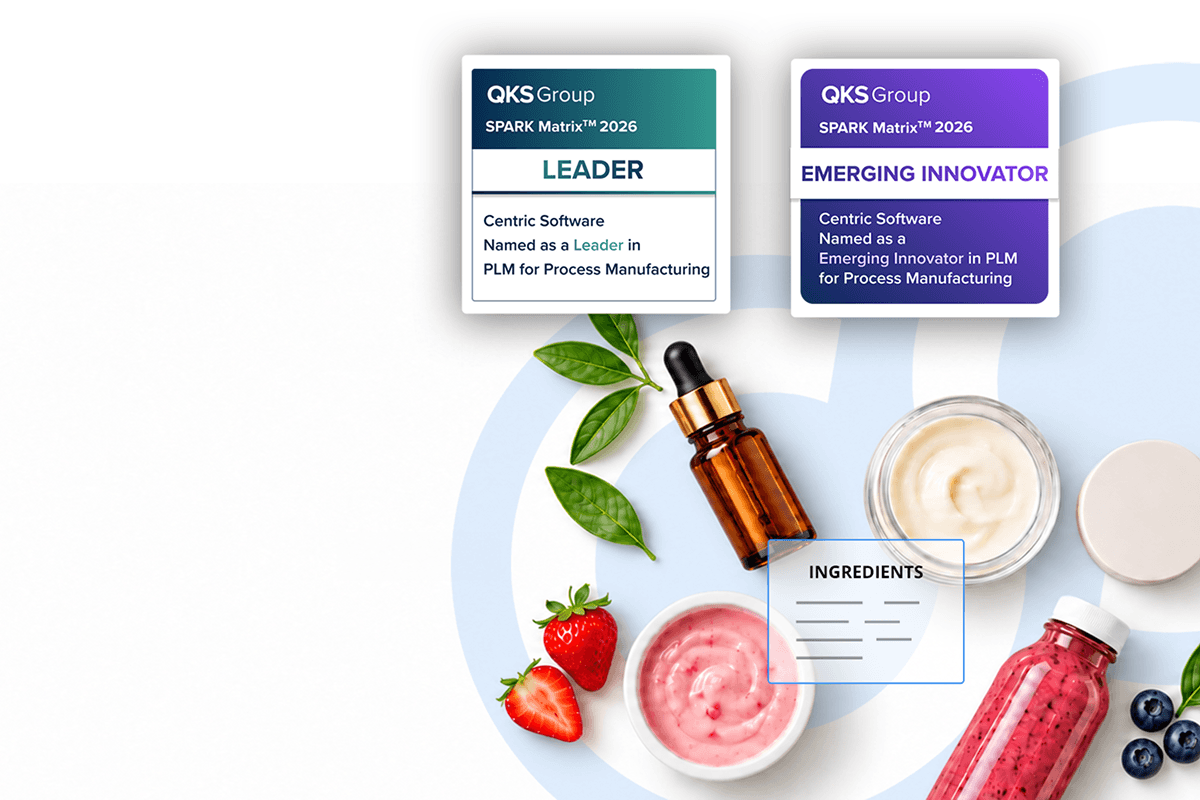
QKS Group named Centric Software ® a Leader in the SPARK Matrix™: Product Information Management, Q4 2026.¹ Its assessment highlights flexible product modelling, workflow-led governance and embedded AI, alongside integrated digital assets, syndication and digital shelf feedback.
QKS Group is a technology research and advisory firm. Its SPARK Matrix compares PIM vendors across Technology Excellence and Customer Impact, covering areas such as product data governance, enrichment, AI, syndication, integration and customer service. According to its published research methodology, the evaluation combines analyst briefings, RFIs, product demonstrations and customer surveys with secondary research and qualitative and quantitative analysis.
For product data, ecommerce and marketing teams, these capabilities matter in everyday work. A product can be ready to launch while its specifications still sit in separate spreadsheets, its approved images are difficult to find and its content needs adapting for each channel. Getting that information ready can delay commercialization.
Centric PXM™ puts PIM at the foundation of a connected approach to product content. Teams manage trusted information centrally, prepare it for markets and channels, and use downstream feedback to guide improvements.
What customers see
Centric PXM™ customers report measurable gains in efficiency, cost savings and revenue growth:
Ravensburger reduced the time needed to create product listing sheets by 98%, from three–four hours to two–three minutes.
Electrolux Group reported 71% lower annual running costs compared with its previous PIM system.
Aetrex reported 400% growth in marketplace revenue since implementing Centric PXM.
These results show the value of improving how product information is managed and used: less time preparing listings, lower operating costs and greater capacity to expand across sales channels.
Six strengths highlighted by QKS Group
The report identifies capabilities that connect product-information management with commercialization requirements. For teams evaluating PIM, six strengths are particularly relevant:
Flexible PIM for complex portfolios. Configurable hierarchies, attributes, relationships and localized values support different product types, variants and markets. Teams can adapt content for specific destinations while maintaining a common product foundation.
Controlled onboarding and governance. Supplier information can be staged, mapped, validated and reviewed before entering the core repository. Workflows, approvals and rework paths guide information toward publication, keeping missing or inconsistent data visible before it reaches downstream channels.
AI within product-content workflows. AI supports mapping, classification, enrichment, translation, data quality and channel preparation. Permissions and human review maintain oversight of actions with greater operational impact. The value extends beyond generating copy into the work needed to prepare and maintain product information.
Digital assets connected to product information. Integrated DAM links images, videos and documents to product records. Metadata, version histories, quality rules and workflows keep assets organized, while channel-specific renditions support reuse across destinations.
Syndication informed by digital shelf feedback. Channel-specific versions adapt master content without changing the source record. Syndication supports distribution, and digital shelf analytics gives teams visibility into downstream content and commercial performance so they can identify opportunities for correction or enrichment.
Continuity from development to commercialization. Connectivity with Centric PLM™ brings information created during product development into enrichment, localization and channel preparation, reducing duplicate data entry and handoffs between teams.
A PIM foundation that extends into commercialization
Centric PIM and Centric DAM establish the product-content foundation within Centric PXM. Syndication extends that foundation into channel activation, while digital shelf analytics brings visibility to what happens after publication.
For example, a team can maintain a master product record, associate the appropriate assets and prepare versions for different marketplaces or retail partners. Downstream monitoring can then reveal content gaps that require attention. Teams use those insights to refine the information they manage and publish.
Centric PXM can operate independently or connect with Centric PLM and third-party systems. Organizations can therefore strengthen product-information management within their existing technology landscape, without making adoption of another Centric solution a prerequisite.
Three checks for your product information
Use these checks to assess where your current processes create extra work:
Follow one product from supplier to publication. Identify where people copy information, resolve conflicting versions or chase approvals. Those handoffs show where onboarding and governance need attention.
Compare readiness for two sales channels. Check whether teams can adapt the same master record to each destination’s requirements, or whether they rebuild information in separate files.
Trace a correction after publication. Check who identifies the issue, who approves the change and how the corrected information reaches the relevant channels. Visibility after publication matters as much as preparation before launch.
A PIM evaluation should connect these operational needs with the outcomes your business wants to improve, whether that means faster listing preparation, less manual work or more efficient expansion across markets and channels.