The Future of Fashion Design: Ditching Paper Boards for Real-Time Digital Collaboration
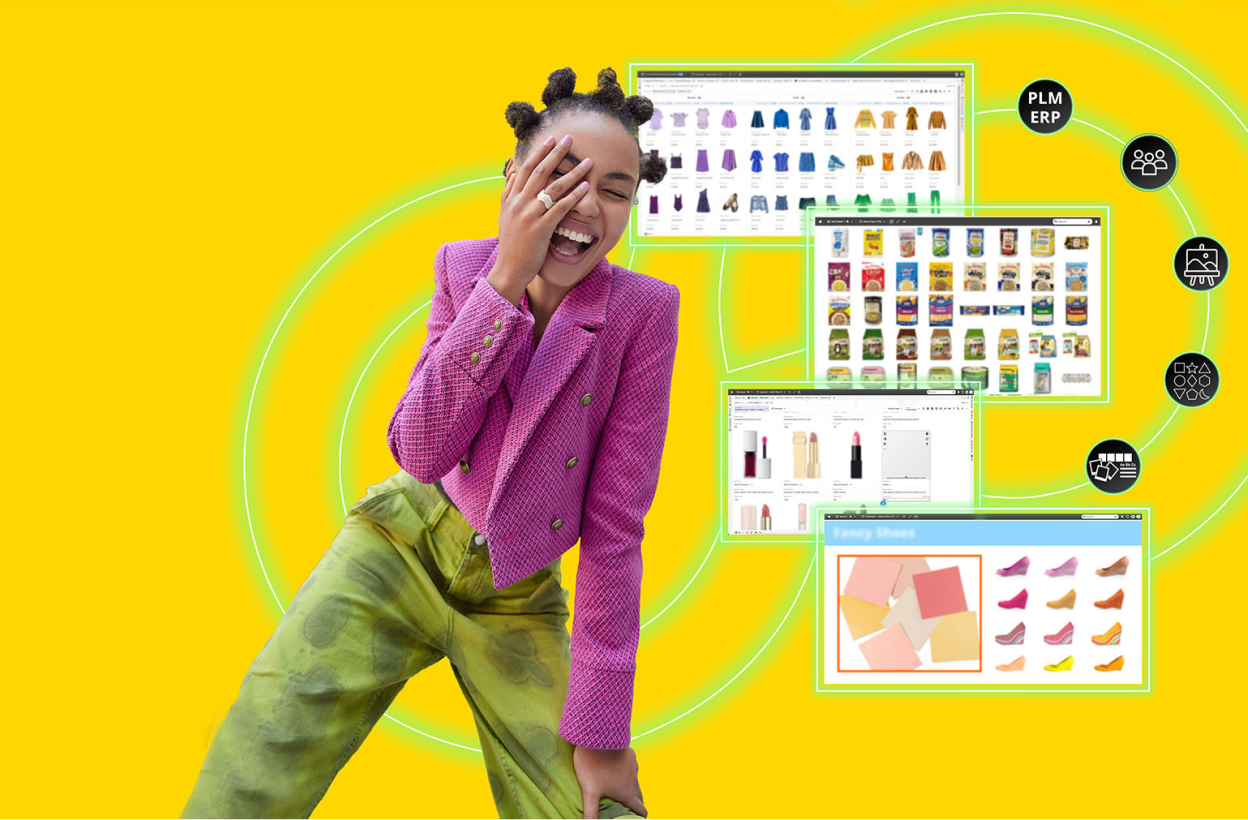
The 4 Key Challenges Blocking Fashion Design Innovation
Fashion design today requires speed, flexibility and creativity—qualities that are difficult to achieve when traditional, manual methods like foam core boards are still in use. The four biggest challenges designers face:
Lost or misplaced information: Foam core boards are prone to disorganization. Sticky notes, swatches and design changes can easily be lost or moved, leading to errors and delays. When crucial product information isn’t captured accurately, rework and costly mistakes follow.
Inability to collaborate across teams: A physical foam core board is a singular, static entity, meaning design teams in different regions or departments can’t collaborate in real-time. Without easy access to up-to-date information, teams are left out of the loop, hindering timely decision making.
Manual updates and inefficiency: Updating foam core boards with new information, whether it’s sales data or design changes, is a slow, tedious process. This creates a disconnect between teams, with outdated information leading to mistakes or missed opportunities.
Sustainability concerns: The constant printing, reprinting and disposal of foam core boards is wasteful. As brands turn to more eco-conscious practices, relying on physical materials that aren’t reusable or sustainable becomes a growing issue.
From Static to Dynamic: The Power of Digital Collaboration
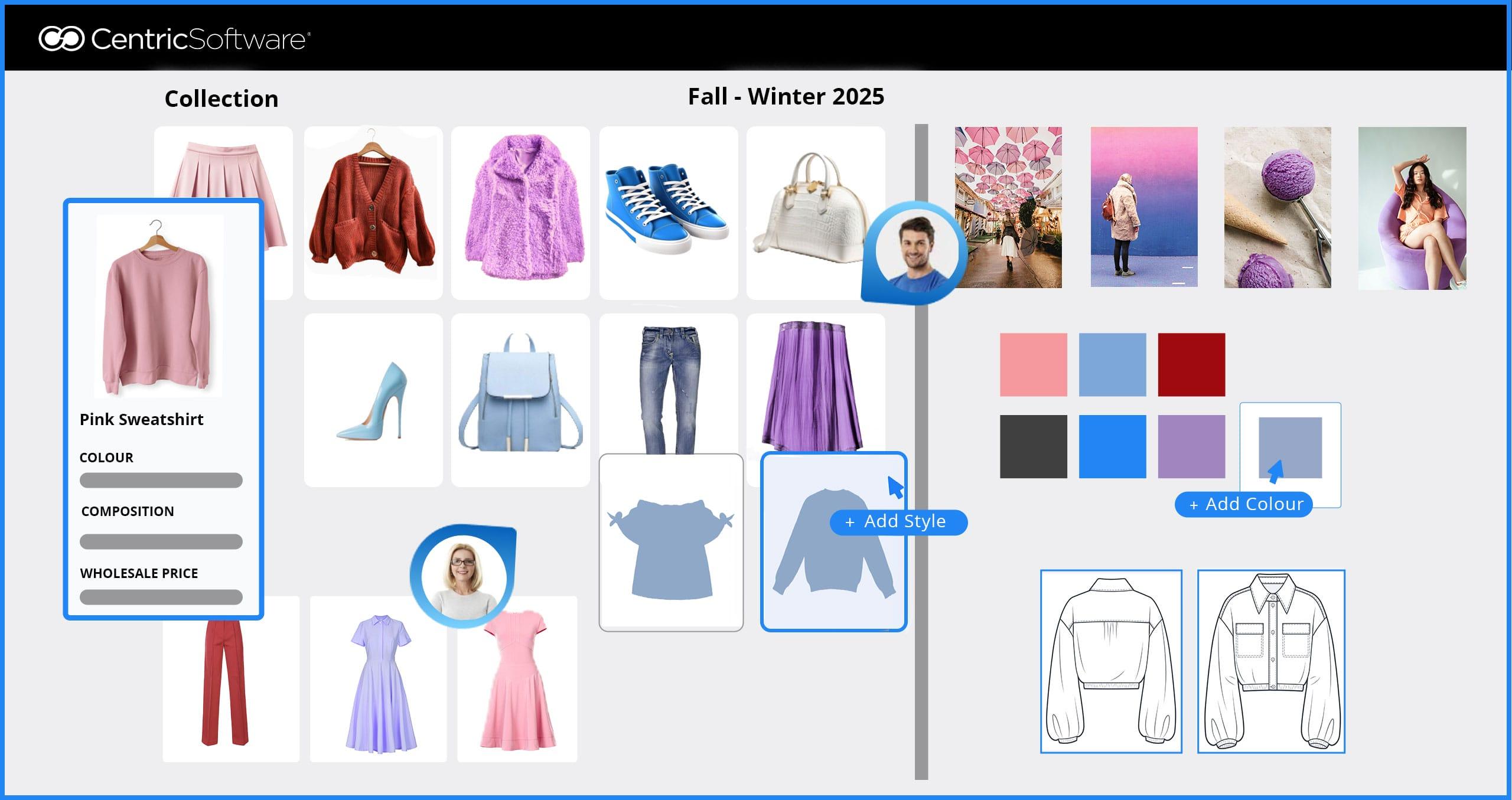
In a world where speed, collaboration and sustainability define success, static foam boards simply don’t cut it. Centric Visual Whiteboard™ is the modern solution for forward-thinking fashion brands ready to transform their design processes. This transformation shifts the focus from analog methods to more dynamic, digital ways of working that help bridge gaps between teams, regions and functions.
Visual Storytelling & Trend Boards
Instead of manually piecing together visuals, designers can create digital mood boards and trend analyses that are instantly accessible and easy to update. Visual storytelling enables a more engaging and effective way to communicate ideas, making it easier to connect with teams and stakeholders.
Real-Time Collaboration and Instant Feedback
In today’s design process, speed is critical. A lack of real-time access to product data like material costs and availability can slow down innovation. With tools that enable interactive collaboration, designers receive instant feedback from cross-functional teams, accelerating decision-making, review cycles and improving workflow efficiency.
Intuitive Design Exploration
Gone are the days of tedious handoffs and manual data entry. With intuitive design tools, designers can visualize different design combinations with drag-and-drop functionality, ensuring consistency and accuracy across the collection. Direct access to design libraries within your PLM system streamlines this process. Overlaying external data and imagery using copy and paste expands the options for the ultimate digital, connected canvas.
Robust, Customizable Presentations
Crafting the perfect presentation can be a challenge when using disjointed and time-consuming tools. With Centric Visual Whiteboard, designers can quickly create and share visually compelling presentations and line sheets, tailored for a specific audience, without the hassle of manual formatting.
Introducing Centric Visual Whiteboard: The Future of Fashion Design Collaboration
Centric Visual Whiteboard is revolutionizing how design teams work. As one leading fashion brand puts it: “Visual Whiteboard offers various ways for the design and merchandising teams to control, edit and view data, like color and materials, to build a well-rounded collection.”
This digital platform connects directly with your PLM system, enabling a seamless, exchange of data. Centric Visual Whiteboard replaces outdated tools, allowing designers to focus on what truly matters: creativity and collaboration.
Here’s how it works:
Create digital mood boards and trend boards: Say goodbye to physical boards and welcome a digital space that’s easy to update and share.
Collaborate in real-time: Instant feedback and communication with cross-functional teams accelerate the design process and reduce decision-making delays.
Access to libraries and past season designs: With a direct connection to the PLM system, designers have everything they need at their fingertips.
Create robust, tailored presentations: Showcase collections quickly with customizable line sheets and presentations, all digitally organized and shareable.
The Results: Tangible ROI for Fashion Design Teams
The power of Centric Visual Whiteboard goes beyond just collaboration, it provides measurable benefits that impact the bottom line. Here’s how designers are benefiting from this transformative tool:
80% less time spent creating manual design boards
70% faster creation of assortment presentations
100% of line review changes captured digitally
By embracing this digital solution, designers can focus on innovation rather than dealing with outdated, inefficient ways of working. It’s time to leave foam core boards behind and step into the future of fashion design.
Conclusion: The Future of Fashion Design is Digital
Static boards are a thing of the past, and embracing digital collaboration is the key to staying competitive. Tools like Centric Visual Whiteboard empower designers to create, collaborate and innovate with speed and precision. With real-time insights, intuitive design exploration and sustainable practices, the future of fashion design is digital—and it’s happening now.