Zak! Designs Transforms Operations to Achieve 200% Growth With Centric PLM
Zak Designs boosts visibility, automates item setup and manages full BOM complexity with Centric PLM, enabling rapid growth without adding product development headcount.
99+%
reduction in item setup time from 2 -3 hours to just 1 minute
1.5
FTEs saved by eliminating old numbering system
10x
increase in product data handling (full BOM) with the same headcount
Centric PLM enabled us to go from capturing only the SKU level data to managing full bills of materials (BOMs), automating item setup and supporting a 200% revenue growth —without adding any headcount in product development.
— Raymond Shill , Vice President of IT
Challenges
Missed or delayed licensor approvals and visibility
Fragile “intelligent” item numbering process
Limited visibility into blockers across key programs
Risk of increased headcount with growth
Results
Single source of truth for product and projects
Item setup cut from hours to under a minute
Eliminated “intelligent” item numbering overhead
Full BOMs captured with no added headcount
Faster response to major retail program requests
“Without a formal system or a single source of truth for product development, answering any kind of question is difficult… everything was always a surprise.”
Raymond Shill, Vice President of IT at Zak Designs describes the situation prior to implementing Centric PLM™. The company was running a high‑growth, heavily licensed product business on disconnected spreadsheets, emails and information housed in people’s heads. Today, Zak Designs has a single source of truth for product development. Management has visibility into project progress and potential hurdles. Zak now manages the entire BOM, and item setup into ERP is automatic. How did the company achieve all of this?
An enterprise built on smiles
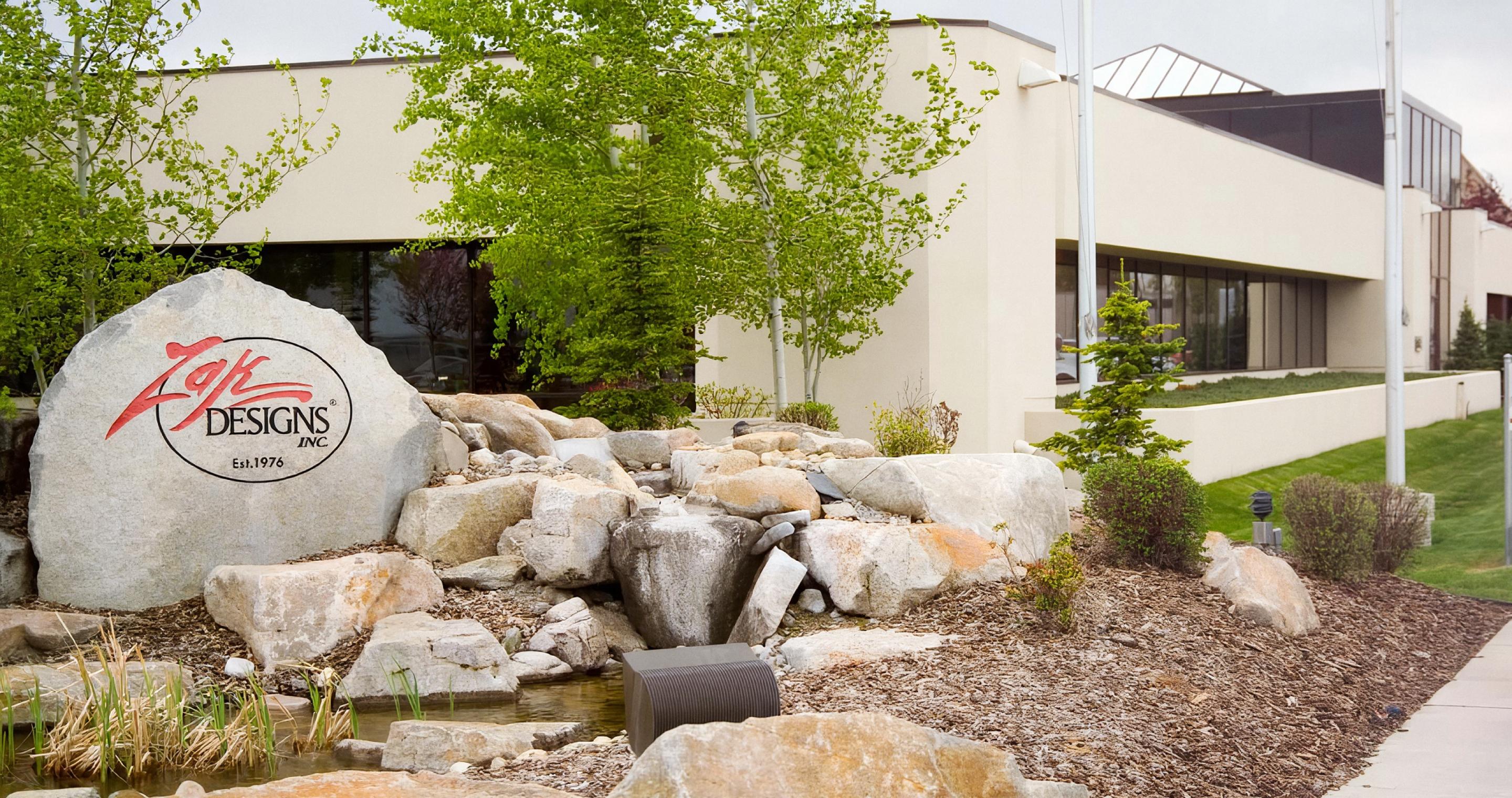
Zak Designs was founded in 1976 and is headquartered in Airway Heights, Washington. It began by aiming to garner smiles from children and nostalgia from adults with beloved characters on stylish, fun and functional tableware and drinkware. A growth‑minded housewares leader, the company is best known for its bold, colorful designs and extensive portfolio of licensed products tied to some of the world’s most recognizable entertainment brands. Zak Designs serves a wide audience through major retailers, grocery chains, specialty stores and online channels. The business has grown over the decades, expanding from a smaller operation into a global business, with a strong focus on large retail programs for customers such as Walmart, Target and Amazon.
Ramifications of growth
As Zak Designs scaled, so did operational complexity. Product development still relied on institutional knowledge and manual tools like spreadsheets, shared files, email threads and an arbitrary item‑numbering scheme that demanded much time and effort to set up and maintain.
Two incidents brought the need for PLM into sharp focus. The first matter had to do with the “intelligent” item numbering system that Zak Designs used. It was created so that the Zak teams could decode what a product was, from the special number assigned to it. But Shill states, “As we got bigger, that whole intelligent item numbering method became unwieldy since there was no logical way to arrange the numbers.” Then, on top of that, the unexpected happened. “The person whose job it was to do item setups in our old system, left the company! It threw everything into a tailspin. We subsequently realized that about 80% of her work was creating and manipulating these intelligent item numbers.”
Further, without a single source of truth, key milestones sometimes slipped through the cracks. Shill notes specific challenges in ensuring all required licensor approvals were completed and visible prior to sale.
Both situations served as an urgent wake-up call for the need to implement PLM as a central, governing end-to-end solution in order to scale efficiently. Shill led the corporate initiative to find the appropriate solution.
Every single person voted for Centric PLM. There wasn’t a single vote for something else.
An intense and thorough search for the right tool
To find the right PLM, Zak Designs went about it systematically, defining a concrete set of 22 pain points and use-cases spanning licensing, approvals, product data and project visibility. The company perused multiple vendors but most didn’t make it past the initial identification stage. “We narrowed it down to five that we really evaluated more closely,” Shill recalls. “Some of the suppliers addressed many of the requirements, but honestly, Centric PLM came out way over and above, able to answer all 22 of our needs.”
The final decision was made by the 12 cross-functional PLM-selection team members. “We put it to a secret ballot to avoid peer pressure. No one would know who voted for which PLM provider,” Shill explains. He reveals the results. “Every single person voted for Centric PLM. There wasn’t a single vote for something else.”
Shill describes the reasoning he put forth to leadership in favor of PLM, focusing on long‑term scalability. “Centric PLM will eventually pay for itself, but aside from that, Zak Designs must go in this direction to avoid having to add more people as the company expands.” He points to the impact of the solution as proof: “With Centric PLM, we now have a path for continuous improvement as we grow. Over the past 4–5 years, we’ve gone from $50 million to $150 million in revenue, that’s a 200% increase—without having to add any headcount.”
Benefits of Centric PLM
During implementation, Zak Designs worked closely with the Centric Software team, who applied industry best practices to drive process improvements and deliver significant efficiency gains. With the Centric team’s strong recommendation and encouragement, Zak Designs finally ditched the old numbering system. “Getting rid of intelligent item numbers resulted in saving the equivalent of about 1.5 full-time person-hours over the course of a year, ” Shill declares, freeing up team members to focus on more value-added work.
Another advantage of Centric PLM is now being able to capture all the parts of a product, not just the SKU itself. Shill gives an example. "We used to only track a water bottle as a finished product. Now, with Centric PLM, we are able to list all 10 components like the body, lid, cap, gasket, straw, etc. That is 10x more information than we previously managed, but now with less effort, which is a huge win.” This deeper level of visibility improves costing accuracy, streamlines sourcing and enables faster, more informed decision-making.
Shill describes one more benefit as follows: “When we turned on the API integration of Centric PLM to our ERP, item information including BOMs, get automatically pushed to ERP. What used to take two or three hours per item literally takes less than a minute now.” This automation eliminates manual data entry, reduces the risk of errors and significantly accelerates product setup, enabling teams to scale operations faster.
Zak Designs now has real-time visibility into project progress and potential blockers. “Say you’re developing 20 items for a retailer and 18 are going well, but two have issues. Before, we couldn’t identify where the holdups were. Now, we use Work Breakdown Structure (WBS) and the views in Centric PLM to see what’s happening, quickly pinpoint blockers and address them so nothing falls behind,” Shill explains.
The ultimate goal fulfilled
These efficiency gains directly support Zak Designs’ ability to scale and capture new growth opportunities. Centric PLM enables the team to move faster and respond positively to retailer demands. “Our timing has improved. Centric PLM gives us the ability to move quickly and capture opportunities as they arise,” says Shill. He gives an example. “Walmart will say, ‘Can you pitch a Valentine’s program? You’ve got two weeks.’ We can now confidently accept these requests, and it’s had a direct impact on our business. The potential upside from continuing to respond to these programs is significant.”
With Centric PLM as the foundation for product development and data, Zak Designs has moved from surprises and bottlenecks to a scalable, efficient model that supports ambitious growth, placing the company in a strong position for years to come.